

Total Hip Replacement and the Role of Physical Therapy in Recovery
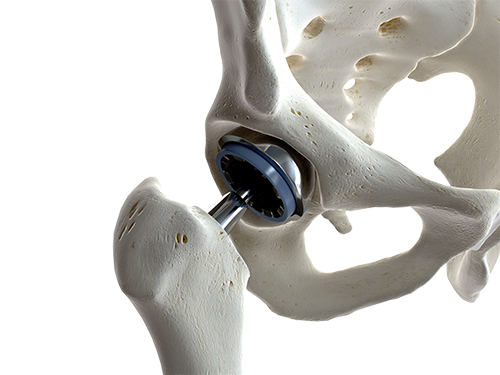
A total hip replacement is one of the most common and effective surgeries performed to relieve chronic hip pain and improve function. Whether caused by arthritis, injury, or wear and tear, hip joint issues can significantly affect your quality of life. If you’re facing or recovering from a hip replacement, physical therapy plays a crucial role in ensuring a successful recovery and helping you return to the activities you love.
What is Total Hip Replacement?
Total hip replacement is a surgical procedure where the damaged parts of the hip joint are removed and replaced with artificial components, typically made of metal, plastic, or ceramic. The goal of the surgery is to alleviate pain, improve mobility, and restore normal function in the hip.
With the artificial components in place, you can experience significant relief from pain and improved range of motion, but the road to recovery requires commitment to rehabilitation, particularly physical therapy.
The Role of Physical Therapy in Hip Replacement Recovery
Physical therapy is an essential part of the recovery process after a total hip replacement. While surgery provides the foundation for healing, PT helps to maximize your recovery and minimize the risk of complications. The primary goals of physical therapy post-surgery are to:
- Restore Strength: After surgery, muscles around the hip joint may be weak and stiff. Strengthening the muscles that support the hip is critical to regain mobility and stability.
- Improve Range of Motion: It’s normal to experience limited movement right after surgery. Physical therapy helps gradually restore flexibility in the hip joint to allow for smooth and pain-free movement.
- Promote Mobility: You’ll work on walking, balance, and other functional activities that help you regain independence and return to everyday activities.
- Prevent Complications: A well-structured rehabilitation plan reduces the risk of blood clots, joint stiffness, and other complications that can arise if you don’t stay active or properly manage your recovery.
Physical Therapy After Hip Replacement
Your physical therapy program will be customized to your individual needs, but in general, the recovery process unfolds in several phases.
Post-Surgery and Early Recovery (Weeks 1-4)
- Encourage safe movement: You’ll be taught proper techniques for getting out of bed, walking with crutches or a walker, and sitting/standing safely.
- Promote circulation: Exercises to improve blood flow in the lower extremities are crucial in preventing blood clots.
- Restore mobility: Gentle exercises to promote hip joint flexibility and strengthen surrounding muscles, often focusing on the quadriceps, glutes, and hip flexors.
Strengthening and Improving Function (Weeks 4-12)
As the healing process continues, physical therapy becomes more intensive. The emphasis shifts toward building strength and improving the range of motion in the hip joint.
- Strength training: You’ll engage in more active strengthening exercises to improve muscle tone and function, such as leg lifts, squats, and resistance training.
- Walking and mobility: As weight-bearing on the hip becomes more tolerable, you’ll gradually transition to walking without assistance, focusing on improving gait and balance.
- Stretching: Your therapist will incorporate stretching exercises to improve flexibility in the hip and surrounding muscles, which helps prevent stiffness.
Tips for a Successful Recovery
While physical therapy is key to your recovery, there are a few things you can do on your own to ensure the best possible outcome:
- Follow your therapist’s advice: Stick to the exercise program your physical therapist provides. Consistency is key for optimal recovery.
- Be patient: Recovery can take time. Don’t rush your progress, and avoid overdoing activities before you’re ready.
- Communicate with your therapist: If you’re experiencing pain, discomfort, or difficulty with specific exercises, let your physical therapist know so they can adjust your program accordingly.

Contact Hands On Physical Therapy Today!
A total hip replacement can provide life-changing benefits, but the recovery process is crucial to achieving those outcomes. With the right approach to physical therapy, you can regain strength, improve mobility, and return to an active lifestyle.
If you have any questions or would like to schedule an evaluation, don’t hesitate to reach out!
Patient Success Spotlight
“I have gained substantial mobility and range of motion…”
“After extensive shoulder surgery, I began my first treatment plan. I have been greatly rewarded by the execution of the shoulder treatment plan outlined by Kathy, and executed by Deanna and Krishna. I have gained substantial mobility and range of motion with great attention, caring and professionalism by all involved. They constantly reevaluated my therapeutic needs and rendered care that resulted in a remarkable gain in flexibility and range of motion. Because of my progress with my shoulder, I have again chosen the Zebulon HOPT for my knee treatment. I have confidence I will receive courteous, concerned and professional treatment in this area also. They are great listeners to your input! Thanks all.”
—Palet U.
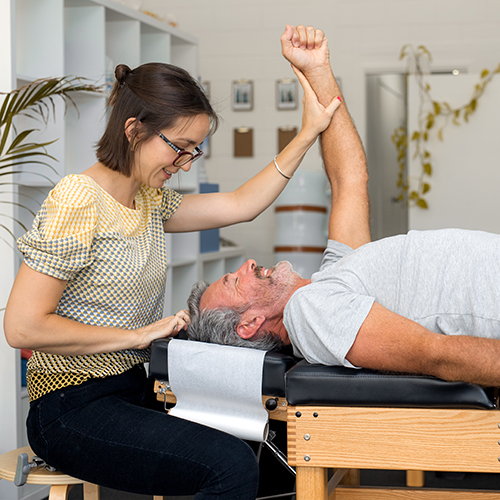

Ergonomics is a field of study focused on optimizing the environments in which people work, ensuring a safe, happy, and productive workplace.
Whether you work in an office or at a construction site, your job might contribute to your shoulder pain. Simple ergonomic adjustments can help minimize your risk of a shoulder injury.
If You Have an Office Job…

- Adjust the height of your desk and chair to ensure your elbows are bent at a 90-degree angle.
- Make sure your mouse is close enough to your keyboard that you don’t overreach to use it.
- Adjust your monitor so the top is at or slightly below eye level.
- Take frequent breaks throughout the day to get up, move around, and stretch.
If You Have a Manual Job…

- Avoid bending your torso to pick up items (even if they aren’t heavy). Instead, use positioning devices (like a forklift) to bring the items right in front of you.
- Avoid repeatedly lifting items above your head whenever possible, and remember to keep what you’re lifting close to your body.
- Take regular breaks, especially if you’re performing repetitive movements.
- Always warm up before starting your day!

Call Hands On Physical Therapy for Customized Tips
Want more personalized ergonomic advice from our team of physical therapists? Call to schedule an appointment today!
Need Physical Therapy but Your Balance isn’t what It used to be?
Aquatic Therapy May Be Just What You Need!
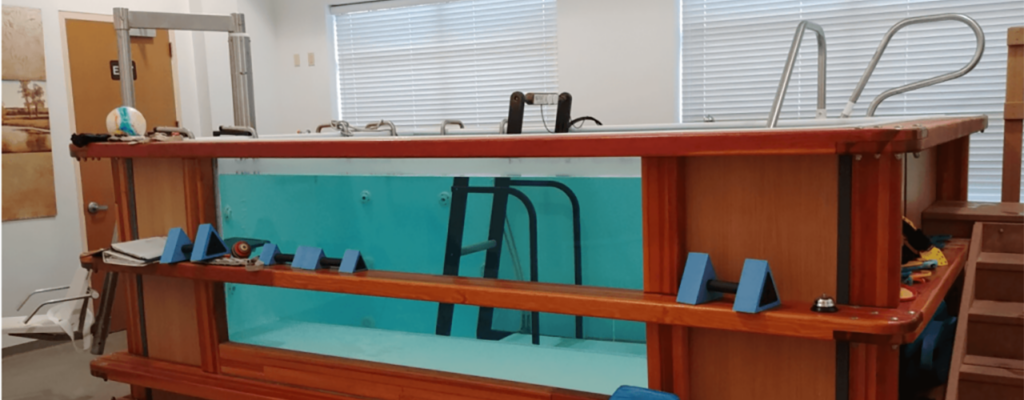
Improving balance and stability is a common goal of aquatic therapy. Immersing a person in water reduces the force of their body weight on their joints. Depending on the circumstances, aquatic therapy can eliminate between 20% and 100% of a person’s body weight.
Contact Hands On Physical Therapy today to see
if aquatic therapy is right for you.

Healthy Recipe
Loaded Cauliflower Casserole
You’ll never want to eat roasted cauliflower any other way once you try this tasty recipe. Bacon, sour cream and sharp Cheddar cheese coat good-for-you cauliflower in deliciousness for an easy side that will make everyone actually want to eat their vegetables.
3 slices bacon
1 head cauliflower (about 2 pounds), cut into bite-size pieces
½ teaspoon ground pepper
¼ teaspoon salt
1 ¼ cups shredded sharp Cheddar cheese, divided
2/3 cup sour cream
4 scallions, sliced, divided
Preheat oven to 425°F. Place bacon in a large nonstick skillet over medium heat; cook until crisp, 6 to 8 minutes. Transfer to a paper-towel-lined plate and let cool. (Reserve the drippings in the pan.) Combine cauliflower, pepper, salt and the bacon drippings in a 9-by-13-inch baking dish. Roast, stirring twice, until tender, about 35 minutes. Meanwhile, combine 1 cup cheese, 2/3 cup sour cream and half the scallions in a small bowl. When the cauliflower is tender, stir the cheese mixture into the cauliflower in the pan. Sprinkle with the remaining 1/4 cup cheese. Bake until hot, 5 to 7 minutes more. Chop the cooled bacon. Sprinkle the hot casserole with the bacon and the remaining scallions.
Exercise of the Month
Hip Flexor Stretch — Edge of Table
Start seated with your butt on the edge of the table. Lie back so that your head is on a pillow and pull both knees to your chest. Slowly lower the leg you want to stretch and straighten it so it hangs off the table. Hold for 30 seconds.


Let’s Get You Better ASAP!
Don’t let pain dictate your life. Take the first step towards reclaiming your mobility and well-being with our expert support. Start your journey to a healthier you today.