

Our feet and ankles are the unsung heroes of our mobility, supporting us day in and day out. However, when foot and ankle problems arise, they can significantly impact our quality of life. At Hands On Physical Therapy, our physical therapists play a crucial role in addressing these issues, helping individuals regain mobility and reduce discomfort.
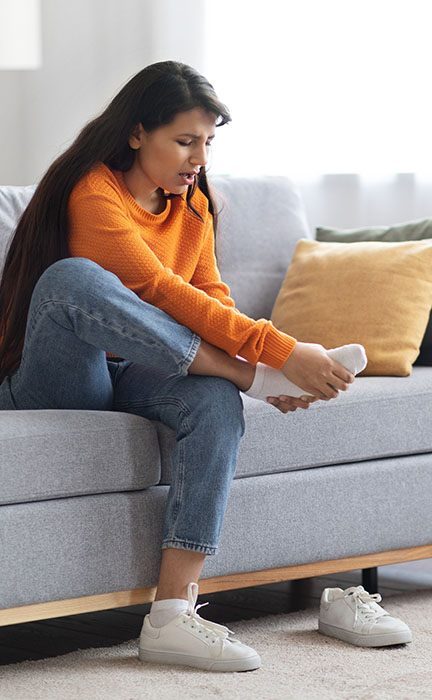
Read on to learn more about common foot and ankle problems, preventative strategies, and how our physical therapists can make a difference in your journey towards better foot and ankle health.
Common Foot and Ankle Problems
Foot and ankle pain can affect our everyday lives and happens to many of us. It might be because we use our feet a lot, get injured, or have some health issues. Let’s talk about what usually makes our feet and ankles hurt and how we can do something about it.
• Plantar Fasciitis: Plantar fasciitis is characterized by pain in the heel, especially in the morning or after prolonged sitting. Strengthening the calf muscles can help alleviate the strain on the plantar fascia. Wearing supportive shoes with proper arch support, maintaining a healthy weight, and avoiding excessive high-impact activities are essential preventive measures.
• Achilles Tendinitis: Achilles tendinitis occurs when the Achilles tendon, the large tendon at the back of your ankle, becomes inflamed. This can result in pain and stiffness in the back of the ankle. Incorporating calf-strengthening exercises, gradually increasing exercise intensity, and wearing appropriate footwear can help reduce the risk of Achilles tendinitis.
• Ankle Sprains: Ankle sprains are common injuries caused by overstretching or tearing the ligaments around the ankle joint. They often lead to pain, swelling, and instability. Practicing balance and proprioception exercises can enhance ankle stability.
• Bunions: Bunions are bony bumps that develop at the base of the big toe, causing pain and deformity. They are often aggravated by wearing ill-fitting shoes. Choosing shoes with a wide toe box that allows proper spacing for the toes is essential. Avoiding high heels and considering orthotic devices for added support can alleviate bunion-related discomfort.
• Flat Feet (Pes Planus): Flat feet result from a lack of arch support, leading to discomfort and instability. This condition can impact walking and overall foot function. Strengthening the muscles in your feet and arches through specific exercises can provide better support. Additionally, using orthotic insoles in your shoes can help maintain arch height.
The Role of Hands On Physical Therapy
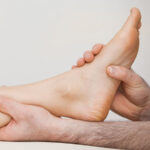
Our highly skilled physical therapists are experts in assessing and addressing foot and ankle problems. We can play a vital role in your journey towards better foot and ankle health by conducting comprehensive evaluations.
These evaluations involve:
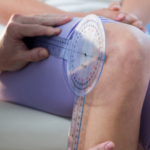
Strength and Range of Motion Testing: We’ll assess the strength of your foot and ankle muscles and evaluate joint mobility.
Assessment of Gait and Movement Patterns: Our physical therapists analyze your walking and movement patterns to identify any abnormalities or areas of concern.
Functional Testing: Your physical therapist may perform functional tests to determine how well your feet and ankles perform various activities.
Based on the evaluation findings, we’ll develop a personalized treatment plan tailored to your individual needs. This plan may include:
Targeted Exercises: Stretching and strengthening exercises targeting the foot and ankle muscles are effective in helping to manage most foot and ankle issues.
Manual Therapy Techniques: Manual therapy techniques, including joint mobilizations and soft tissue work, can reduce pain and improve ankle and foot mobility.
Gait Activities: Gait activities are instrumental in addressing any abnormal walking patterns and gait disturbances in individuals with foot and ankle problems.
Neuromuscular Reeducation: We often use neuromuscular reeducation techniques to improve proprioception and balance in individuals with ankle instability.
Functional Training: Functional training is used to mimic real-life movements and is essential in restoring functional abilities and preventing recurrent injuries.
Our team is highly skilled at identifying and educating our patients about proper footwear, self-care techniques, and injury prevention strategies, an essential aspect of physical therapy. Education enhances patient compliance and promotes better long-term outcomes.

Empower Your Feet and Ankles Today
Don’t let discomfort or limitations hold you back. Call Hands On Physical Therapy and let one of our skilled therapists guide you to healthier, pain-free feet and ankles.
Your well-being is worth every step of the way!
Patient
Success Spotlight
“I had a pulled tendon in my ankle, and really thought that my ankle was never going to be the same as before but Hands On Physical Therapy proved me wrong. Today is my last day but I leave knowing that if I need any future therapy this is the place for me. God Bless you all!”
— Delois W.
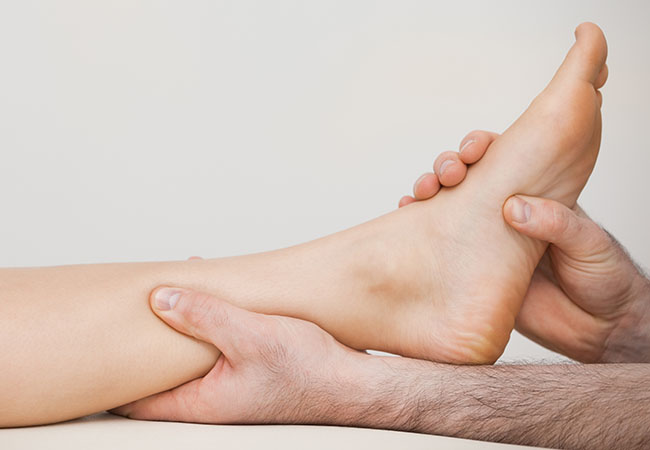
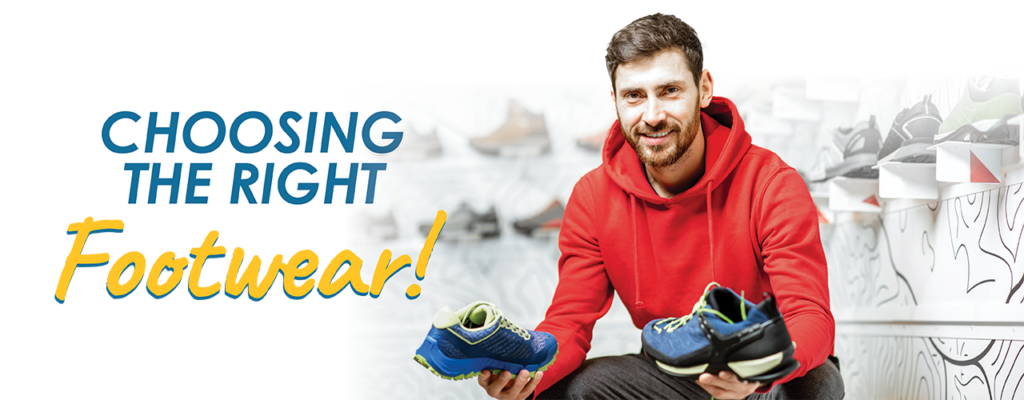
When selecting the perfect pair of shoes, there’s more to consider than just style and comfort. Your choice of footwear plays a pivotal role in maintaining the health of your feet and ankles.
Use this checklist and step confidently towards happier, healthier feet:
Arch Support Matters: Look for shoes with adequate arch support. Well-supported arches can help prevent strain and discomfort.
Cushioning for Comfort: Opt for shoes with sufficient cushioning in the sole. Avoid shoes with too much cushioning that makes you feel unsteady when you walk.
Fit is Essential: Ensure your shoes fit correctly. An improper fit can lead to blisters, corns, and other foot problems.
Heel Height Matters: High heels can increase pressure on the forefoot and contribute to issues like bunions and pain in the ball of the foot.
Activity-Specific Shoes: Choose footwear designed for your intended activity. Running shoes differ from hiking boots, and each serves a unique purpose. Match the shoe type to your activity to ensure proper support and functionality.
Understand your foot type, such as flat feet or high arches. Above all, prioritize comfort. Your shoes should feel comfortable from the moment you put them on.
Take Action for Your Foot Health
Choosing proper footwear is not just about style; it’s critical to safeguarding your foot and ankle health.
If you’re looking for guidance when selecting your next pair of shoes, call Hands On Physical Therapy.
Your Feet Will Thank You!
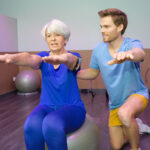
Need Physical Therapy but Your Balance isn’t what It used to be?
Aquatic Therapy May Be Just What You Need!
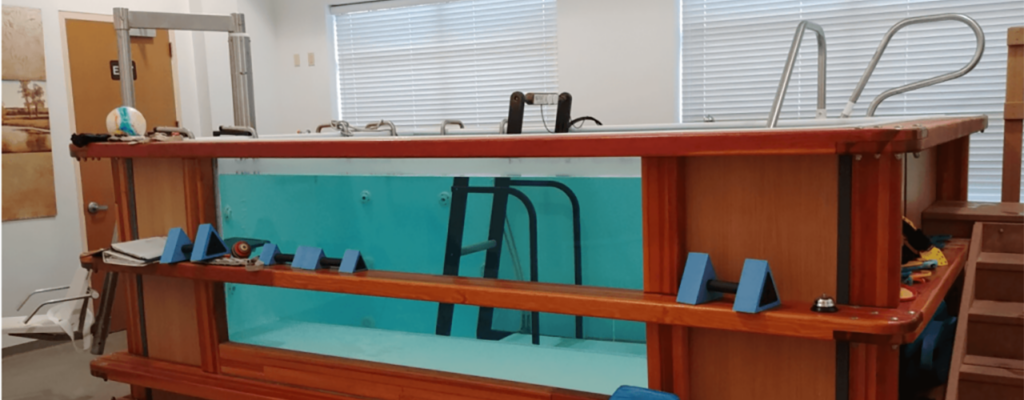
Improving balance and stability is a common goal of aquatic therapy. Immersing a person in water reduces the force of their body weight on their joints. Depending on the circumstances, aquatic therapy can eliminate between 20% and 100% of a person’s body weight.
Contact Hands On Physical Therapy today to see
if aquatic therapy is right for you.
Exercise of the Month
Ankle Alphabets
Start by sitting up straight in a chair. Raise one leg out in front of you. Slowly write the letters of the alphabet with your foot, only moving at your ankle joint. Repeat 3 sets, 10 reps each.


DO YOU ENJOY OUR PRINT NEWSLETTER AND WANT
TO STAY ON THE LIST?
Simply give us a call at any of our clinics, and let us know your name and mailing address. This will ensure you’re always in the loop with the latest physical therapy news, wellness tips, and valuable insights to help you live your healthiest life. We’d also love to know how you’re doing and if we can help with any new issues or flare ups.
If we don’t hear from you by November 4th, you will no longer receive the printed monthly newsletter in your mailbox each month.
Don’t miss out on expert advice, patient success stories, and exclusive clinic updates. Call us today to stay connected and keep receiving our monthly newsletter right in your mailbox!
Cary
919.851.0711
Fuquay-Varina
919.557.2111
Zebulon
919.269.0107
Let’s Get You Better ASAP!
Don’t let pain dictate your life. Take the first step towards reclaiming your mobility and well-being with our expert support. Start your journey to a healthier you today.