
Improving Joint Mobility Post-Surgery
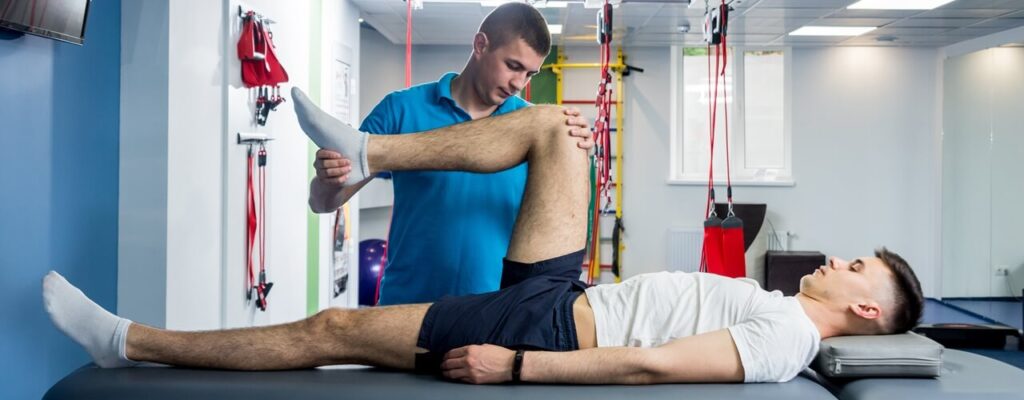
Joint mobility post-surgery can be a challenge for individuals striving to regain their independence and vitality after surgical procedures. Take the case of Nicole, a dedicated athlete sidelined by a knee injury requiring surgery. After her surgery, her once-fluid movements were now replaced by stiffness and discomfort, impeding her ability to engage fully in soccer. Fortunately, Nicole discovered that physical therapy could help improve joint mobility post-surgery and help her regain her athletic performance.
Ready to get started with physical therapy for joint mobility challenges after surgery? Call our team at Hands On Physical Therapy in Cary, NC, Fuquay Varina, NC, and Zebulon, NC today to learn more!
Decoding Joint Mobility Challenges After Surgery
Nicole’s journey through joint mobility challenges after surgery sheds light on the typical obstacles of patients in similar situations. Nicole experienced firsthand the pain, swelling, and difficulty moving her knee following surgery, highlighting the profound impact of joint mobility challenges on daily life.
Joint mobility challenges after surgery encompass a range of symptoms and causes that can significantly impact a patient’s recovery process.
Symptoms Accompanied by Decreased Joint Mobility Post-Surgery
Pain
- One of the most common symptoms experienced post-surgery is pain in and around the surgical site. This pain can range from mild discomfort to severe, sharp sensations, depending on the type and extent of the surgery. Patients may also experience pain during movement or weight-bearing activities, limiting their mobility and function.
Swelling
- Swelling, or edema, is another prevalent symptom following surgery. It occurs due to the body’s inflammatory response to tissue trauma during surgery. Excessive swelling can lead to discomfort, stiffness, and decreased range of motion in the affected joint, hindering rehabilitation.
Stiffness
- Joint stiffness is a common complaint after surgery resulting from inflammation, immobilization, and muscle disuse. Patients may experience difficulty moving the affected joint, particularly after rest or inactivity. Stiffness can significantly impact mobility and function, making it challenging to perform daily activities.
Weakness
- Muscle weakness is often observed following surgery, especially if the affected limb or joint has been immobilized for an extended period. Weakness can lead to decreased stability, compromised balance, and difficulty performing functional movements. Patients may also experience muscle atrophy, further exacerbating their mobility challenges.
Limited Range of Motion
- Restricted range of motion is a hallmark symptom of joint mobility challenges after surgery. Patients may find it difficult to fully bend, straighten, or rotate the affected joint, limiting their ability to perform activities of daily living and participate in rehabilitation exercises effectively.
Empowering Your Journey: How Physical Therapy Unlocks Joint Mobility
Nicole’s experience with joint mobility challenges after surgery exemplifies the transformative impact of physical therapy on post-operative recovery. With the guidance of her physical therapist, Nicole embarked on a journey toward improved joint mobility and restored function.
Nicole’s Transformation: Improving Mobility Through Physical Therapy
Manual Therapy
- Nicole’s physical therapist began her treatment with manual therapy techniques, gently mobilizing and manipulating her knee joint to alleviate stiffness and improve flexibility. Through targeted joint mobilizations and soft tissue techniques, Nicole experienced a gradual reduction in pain and an increase in her range of motion. With each session, she felt her joint become less restricted, allowing her to move more freely and comfortably.
Therapeutic Exercise
- Nicole’s exercise program addressed her specific deficits and functional limitations. She started with straightforward range of motion exercises to improve flexibility and gradually progressed to strengthening exercises targeting the muscles around her knee. With the guidance of her physical therapist, Nicole learned proper exercise techniques and performed her exercises diligently, building strength and stability in her knee joint.
Functional Training
- As Nicole progressed in her rehabilitation, functional training became a central focus of her therapy sessions. Her physical therapist incorporated activities and tasks relevant to Nicole’s daily life and personal goals, such as walking, climbing stairs, and returning to recreational activities. Through functional training, Nicole learned how to apply her newfound mobility and strength to real-life situations, empowering her to reclaim her independence and confidence.
With dedication, perseverance, and the support of her physical therapist, Nicole overcame her joint mobility challenges and regained control of her life.
Unlocking Your Potential: Embrace the Freedom to Move!
If you have decreased joint mobility post-surgery, remember that you’re not alone. Our team of dedicated physical therapists is here to support you at every step. With personalized care and expert guidance, we’ll help you navigate your recovery journey and celebrate each milestone along the way.
Contact our team at Hands On Physical Therapy in Cary, NC, Fuquay Varina, NC, and Zebulon, NC to learn more about how physical therapy can help you embrace the freedom to move and thrive!