
Accelerating ACL Surgery Recovery: Tips from Physical Therapy Experts
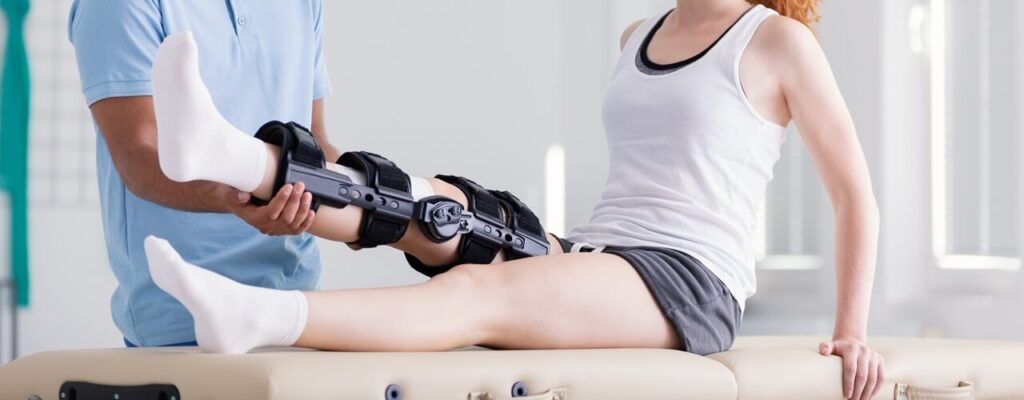
ACL tears are a common injury among athletes, with over 200,000 cases reported annually in the United States alone. If you’ve recently experienced an ACL tear, you understand the pain and frustration it can cause. However, there’s hope for a speedy recovery with the help of physical therapy. Read on to learn our best ACL surgery recovery tips to help you recover successfully!
Ready to get started with physical therapy for an ACL tear repair? Call our team at Hands On Physical Therapy in Cary, NC, Fuquay Varina, NC, and Zebulon, NC today to learn more!
Unveiling ACL Tear: Deciphering Symptoms and Causes
An ACL tear or anterior cruciate ligament tear is a common knee injury. Recognizing the symptoms and understanding the causes of an ACL tear is crucial for prompt diagnosis and effective treatment.
Symptoms of ACL Tear
Sudden and Severe Pain
- Individuals may experience an immediate onset of intense pain in the knee at the time of injury. The pain may be sharp or throbbing and can significantly limit mobility.
Swelling
- Swelling around the knee joint is a common symptom of an ACL tear. The knee may become visibly swollen and feel warm to the touch due to inflammation.
Instability in the Knee
- An ACL tear can lead to instability or a feeling of “giving way” in the knee joint, especially during weight-bearing activities or sudden movements. This instability can affect balance and mobility.
Popping Sensation
- Some individuals report hearing or feeling a popping sensation in the knee at the time of injury. The popping sensation may happen simultaneously with the tear of the ligament.
Limited Range of Motion
- ACL tears can result in a decreased range of motion in the knee, making it difficult to straighten or bend the knee.
Causes of ACL Tears
Sports Injuries
- ACL tears often occur during sports activities that involve sudden stops, pivoting, or changes in direction. Sports such as soccer, basketball, football, skiing, and gymnastics pose a higher risk of ACL injuries.
Direct Impact or Trauma
- A direct blow to the knee, such as a fall or collision, can lead to an ACL tear. This type of injury is common in car accidents, falls from heights, or contact sports.
Non-Contact Movements
- In some cases, ACL tears can occur without direct contact or trauma to the knee. Non-contact injuries often result from landing awkwardly from a jump, hyperextending the knee, or sudden changing of direction.
By recognizing the symptoms and understanding the causes of ACL tears, you can take proactive steps to seek medical evaluation and appropriate treatment, including physical therapy, to facilitate recovery and prevent long-term complications.
Navigating ACL Surgery Recovery: Expert Tips for Success
Recovering from an ACL (anterior cruciate ligament) injury and subsequent surgery can be challenging. With proper guidance and support, you can achieve a successful rehabilitation.
Tips To Help You Navigate Your ACL Surgery Recovery
Follow Your Physical Therapist’s Advice
- Your physical therapist will provide you with a customized rehabilitation program tailored to your specific needs and goals. It’s crucial to adhere to their guidance and instructions diligently. This program typically includes exercises to improve strength, flexibility, balance, and proprioception, all essential components for a successful recovery.
Focus on Early Mobility and Range of Motion
- Begin gentle movement and range of motion exercises as soon as your surgeon gives you the green light. Early mobilization helps prevent stiffness and promotes healing. Your physical therapist will guide you through appropriate exercises to regain full range of motion in your knee safely.
Gradually Increase Activity Levels
- While it’s essential to start moving early, it’s equally important to progress gradually and avoid overexertion. Gradually increase the intensity and duration of your exercises as tolerated, but listen to your body and avoid pushing through pain.
Consistency is Key
- Commit to your rehabilitation program and prioritize consistency in your exercises and appointments. Regular, ongoing physical therapy sessions are essential for monitoring your progress, adjusting your program as needed, and ensuring optimal outcomes.
Incorporate Strength Training
- Building strength in the muscles surrounding your knee is crucial for stability and support. Your physical therapist will prescribe targeted exercises to strengthen your quadriceps, hamstrings, calves, and hip muscles, helping to protect your knee joint and prevent future injuries.
Patience and Persistence
- ACL surgery recovery is a gradual process that requires patience and persistence. Celebrate small victories along the way and stay focused on your long-term goals. Trust in the process, and don’t be discouraged by setbacks. With dedication and perseverance, you can achieve a full recovery.
Pursuing a Strong Recovery
At our clinic, we’re dedicated to providing comprehensive care and support to individuals navigating the challenges of ACL tear recovery. With a team of experienced professionals and evidence-based practices, we’re committed to guiding you every step of the way toward a swift and sustainable recovery.
Call our team at Hands On Physical Therapy in Cary, NC, Fuquay Varina, NC, and Zebulon, NC today to learn more about ACL surgery recovery tips and discover how we can support you in achieving your goals.