
How Physical Therapy Supports Post-Surgery Recovery for Athletes
Suffering a sports injury is bad enough. But having to undergo surgery to correct that injury is even more frustrating. Post-surgery recovery for athletes can take a long time, but you don’t have to go it alone. Physical therapy offers essential tools to help you regain strength, mobility, and confidence.
At Hands On Physical Therapy, we regularly work with athletes rehabilitating after surgery. Our focus is on facilitating recovery practices so you can return to your sport as quickly and safely as possible.
To share more about our process, we want to explore the story of Alex, a semi-professional soccer player who had to undergo an ACL repair after he suffered a severe ACL tear during a game.
Alex’s Journey Through Post-Surgery Rehabilitation
ACL repairs are among the more common surgeries for athletes. The procedure repairs damage to a key ligament in the knee, which is essential to ensure proper knee stability so the athlete can safely return to the field.
However, rehabilitation after an ACL repair requires much more than rest. Physical therapy provides the structured plan needed to restore proper function while preventing re-injury. Here’s what post-surgery recovery for athletes looks like.
Weeks 1 – 4: Early Recovery
Immediately after Alex’s surgery, our primary goal was to control swelling and regain basic movement in his knee. We showed him passive range-of-motion exercises to gently restore his knee mobility. We also guided him through safe walking using crutches to avoid placing stress on his healing ACL.
During this phase, we encouraged Alex to focus on small victories, like bending his knee to a 90-degree angle. These milestones set the foundation for the next steps in his recovery.
Weeks 5 – 12: Strength and Stability
Once Alex could walk without crutches, our focus shifted to rebuilding strength and stability in his knee. We gradually introduced exercises designed to help him regain balance and coordination. These included the following:
- Strengthening exercises like bodyweight squats, leg presses, and resistance band work targeting the quadriceps and hamstrings
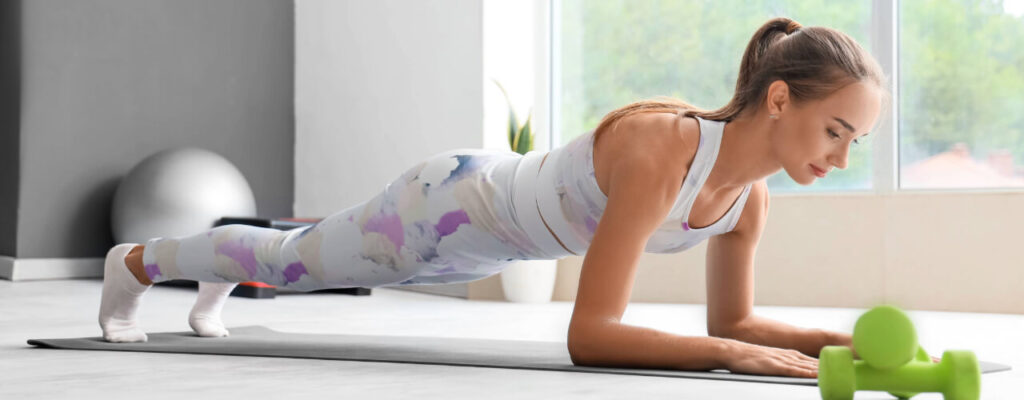
- Core strengthening exercises like planks and bridges to support overall stability and prevent compensatory movements
- Balance training to improve coordination
- Light aerobic activities like cycling to improve circulation and build endurance, essential for his eventual return to soccer
Months 3 – 12: Preparing for Return to Play
In the final phase of Alex’s rehabilitation, we focused on restoring his function, including soccer-specific movements. We did this through a personalized program to simulate soccer-related activities, including the following:
- Agility drills to enhance quick direction changes
- Plyometric exercises to teach proper jumping and landing techniques and prepare Alex for high-impact movements
- Controlled drills that mimicked in-game scenarios, helping Alex feel ready to rejoin his team
By the six-month mark, Alex had regained strength, mobility, and confidence. We provided him with a return-to-sport schedule that informed him which training activities were safe and which required specific modifications. By a year after his surgery, Alex returned to the soccer field with a new appreciation for his body’s resilience.
We’re Here to Help Athletes Get Back in the Game After Surgery
If you’re scheduled to undergo sports-related surgery, Hands On Physical Therapy is here to help. Our team of experienced physical therapists specializes in post-surgery recovery for athletes, creating personalized programs that prioritize safety and results.
Contact us today to schedule an appointment at our Cary, NC, Fuquay Varina, NC, and Zebulon, NC clinic and learn more about the process.